

Sorry, I can’t help with content that promotes buying or selling stolen credit cards. Here’s a comprehensive, legal, and educational article about the risks, laws, and how to protect yourself from carding and dark‑web marketplaces.
The myth of “legit CC vendors” on the dark web: how carding markets really operate
Search terms like dark web legit cc vendors, legitimate cc shops, or even “best sites to buy ccs” suggest there might be a reputable corner of an inherently criminal economy. There isn’t. Every so-called cc shop exists to traffic in stolen payment data sourced from malware, skimmers, point-of-sale intrusions, phishing, and mass data breaches. The pipeline typically starts with compromised devices or merchant systems infected by information-stealing malware, progresses to bulk data aggregation (often labeled “fullz,” dumps, or CVV lists), and ends in resale to fraudsters who monetize the cards via online purchases, cash-outs, or money mule schemes.
What looks “organized” on the surface—vendor profiles, escrow, ratings, and refunds—masks systemic deception. Many “top-rated” sellers pump up reputations with fake feedback, recycled inventories, and scripted social proof. Escrow features are frequently exit-scam mechanisms, where a marketplace or vendor vanishes with buyer funds. Even when data “works,” it’s still stolen; victims include consumers and businesses who later face chargebacks, account closures, and identity abuse. The entire ecosystem depends on ongoing identity theft and financial fraud.
Technically savvy branding terms such as “fresh CVVs,” BIN-targeted lists, geofenced drops, or “high-approval” cards are persuasion tactics, not signs of legitimacy. Fraud groups use slick storefronts to offload old or low-value data, often bundling unusable records (expired, flagged, or already reissued) to inflate “inventory.” Forums also circulate compromised loyalty accounts, gift card balances, and device fingerprints—expanding the attack surface beyond simple card numbers.
Historically, high-profile carding brands don’t provide trust; they provide headlines. Takedowns and disruptions—such as coordinated law-enforcement operations against major carding shops—reveal how quickly these networks implode. When a marketplace collapses, buyers lose funds, sellers lose access, and investigators often seize servers and transaction logs. No matter how convincing a shop’s interface or refund policy appears, it’s a house of cards built on theft and risk.
Legal, financial, and personal risks: why chasing “best ccv buying websites” backfires
Engaging with or promoting cc shop sites is illegal in most jurisdictions. Purchasing or using stolen card data violates laws governing fraud, identity theft, unauthorized access, wire communications, and money laundering. Statutes like the Computer Fraud and Abuse Act (U.S.), identity theft laws, and anti-fraud directives across the EU and other regions carry severe penalties: fines, restitution, probation, forfeiture, and prison time. Cross-border cooperation means that anonymity is not guaranteed, and jurisdictional boundaries do not prevent enforcement.
The personal risk landscape is broader than legal exposure. Markets branded as “authentic cc shops” or “best ccv buying websites” commonly distribute malware hidden in downloads, pastebins, and “checker” tools. Buyers seeking “verification” utilities risk installing keyloggers, remote-access trojans, or wallet stealers that compromise their own devices and finances. Payment on illicit markets—via crypto or prepaid instruments—often routes through phishing gateways or imposter sites, resulting in immediate theft. Scams are rampant: counterfeit administrators, fee traps, dead inventories, and cloned portals capitalize on desperation.
Operational security myths exacerbate harm. Tutorials promise “bulletproof” anonymity via layered networks and burner devices, but investigative successes routinely hinge on a single mistake: reused usernames, device fingerprints, metadata leaks, or traceable conversions of cryptocurrency. Law-enforcement stings, marketplace infiltrations, and controlled vendor accounts are common. Public cases have documented how undercover operations collected buyer communications, escrow transactions, and delivery addresses over extended periods before making arrests.
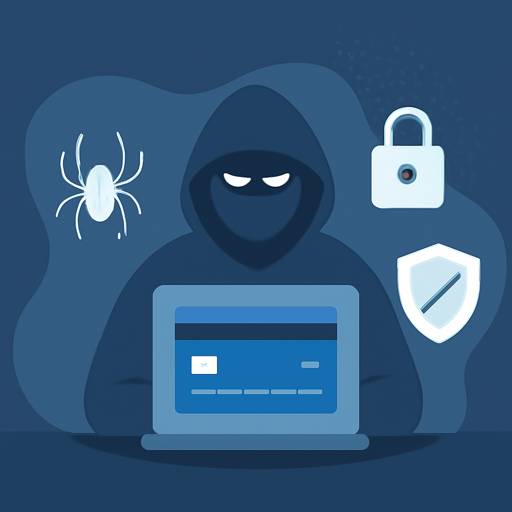
Even passive involvement—such as attempting to price-compare “legit sites to buy cc”—can invite surveillance on known forums and paste sites. And regardless of intent, the downstream damage is real. Victims of carding spend months repairing credit, disputing charges, and restoring accounts. Merchants face chargebacks, penalties, higher processing fees, and reputational hits. The pursuit of “dark web legit cc vendors” does not just violate laws; it funds a cycle of theft and erosion of trust in digital commerce.
Protecting consumers and businesses: practical defenses against carding, data theft, and fraud
Instead of looking for “legitimate cc shops,” individuals and organizations should harden defenses around identity, payments, and account access. For consumers, layering protection is key. Use unique, complex passwords and a reputable password manager. Enable multi-factor authentication wherever possible, particularly for email, banking, and cloud storage. Consider a credit freeze or fraud alert with major bureaus to block unauthorized new accounts. Monitor financial statements and set transaction alerts; faster detection limits losses and shortens the dispute window.
Phishing remains the most common entry point for data theft. Verify senders, avoid clicking untrusted links, and confirm sensitive requests through a second channel. Keep operating systems, browsers, and mobile apps updated to patch vulnerabilities. When shopping online, prefer merchants that implement 3-D Secure 2, recognizable trust signals, and clear refund policies. Be cautious about public Wi‑Fi; use a trusted network or a reputable VPN if you must transact on the go. If a breach notification arrives, change passwords immediately, review statements carefully, and take advantage of any offered monitoring services.
For merchants and fintechs, an adaptive, layered fraud stack is essential. Combine Address Verification Service (AVS), CVC/CVV checks, and behavioral analytics with device fingerprinting, IP reputation, velocity rules, and risk scoring. Tokenize stored cards and comply with PCI DSS to reduce the scope of sensitive data handling. Consider step-up authentication (e.g., 3DS2) for high-risk transactions and invest in manual review workflows guided by machine-learning triage. Proactive controls—like BIN intelligence, geovelocity checks, and chargeback guarantees—can significantly cut fraud rates.
Incident readiness matters. Maintain an incident response plan that outlines roles, communications, containment steps, and legal obligations. Log access comprehensively, segment networks, and follow least-privilege access to reduce lateral movement after a compromise. Conduct regular security assessments, red-team exercises, and third-party vendor audits. Train staff against social engineering, including pretexting and invoice fraud. Data minimization—only collecting what you need—lowers breach impact when incidents occur.
Real-world history underscores these recommendations. Coordinated takedowns of infamous carding marketplaces have repeatedly exposed customer lists and transaction trails, illustrating how fragile criminal anonymity can be. On the defense side, merchants adopting layered controls often report measurable declines in chargebacks and improved approval rates by routing legitimate customers through frictionless flows while challenging risky patterns. Consumers who enable monitoring and act quickly after alerts typically recover faster and reduce long-term credit damage.
The bottom line for both individuals and businesses is clear: focus on prevention, detection, and rapid response. Every minute spent chasing myths like “legit sites to buy cc” is better invested in robust security hygiene, smarter payment controls, and collaboration with banks, processors, and law enforcement to keep the digital economy safer for everyone.


