Pharmaceutical growth now depends on precision, trust, and meaningful engagement rather than broad promotional reach. Brands win when they connect approved content, channel strategy, and field execution with real clinical and access realities. That shift places pharma marketing squarely at the center of an enterprise-wide orchestration challenge: engage healthcare professionals, empower patients, and align with payers while staying compliant and evidence-driven. The most successful organizations blend omnichannel messaging with relationship intelligence, using data to personalize experiences and drive measurable outcomes across the journey from awareness to adherence.
In this landscape, pharma CRM has become a strategic backbone, stitching together HCP preferences, formulary context, historical interactions, medical inquiries, and service activity into a living, actionable view. When CRM insights are synchronized with marketing and medical, teams can deliver the right content at the right moment—and prove its impact. Modern platforms transform disparate interactions into decisions that elevate engagement, improve access pull-through, and strengthen patient support, all while respecting regulatory and privacy requirements.
The New Anatomy of Pharma Marketing
Traditional models of reach and frequency no longer guarantee impact. Today’s pharma marketing must operate as an orchestrated system that learns continuously. Personalization begins with data: segmenting HCPs by specialty, prescribing behavior, patient mix, and formulary environment; and understanding patient needs by condition stage, access barriers, and support requirements. With these insights, modular, MLR-approved content can be assembled into tailored sequences across email, programmatic, social, search, and rep-triggered journeys. The focus shifts from impressions to actions—new-to-brand prescriptions, time-to-therapy, persistency, and patient satisfaction.
Regulatory guardrails guide every tactic. Ethical promotion, fair balance, and adverse-event vigilance are baked into channel execution. That means approved claims tracking, version control, and audit trails across assets and campaigns. Marketing teams also design for consent and identity stewardship, privileging first-party data and context signals to reduce reliance on cookies. The result is an ecosystem where compliance supports creativity, enabling targeted education that clinicians value and patients trust.
Omnichannel orchestration becomes critical as field and digital meet. Reps, MSLs, and marketers should share a single understanding of “what happened last” and “what should happen next.” For one physician, this may mean a post-visit email with payer-specific prior-authorization resources; for another, a webinar invite on new evidence; for a third, a quick, compliant reminder about safety updates. When channel signals and content performance feed back into planning, teams can optimize frequency caps, dayparting, and sequencing to reduce fatigue and lift relevance.
Measurement closes the loop. High-performing organizations define KPIs across three tiers: engagement (open rates, content depth, rep access), conversion (NBRx, TRx, formulary wins, time-to-therapy), and value (persistency, PDC, total cost of care impact). Multi-touch attribution, blended with experimental design (A/B, geo-match, test-and-learn markets), surfaces the combinations of message, channel, and cadence that move clinical decision-making. Over time, these learnings harden into playbooks that are portable across brands while remaining sensitive to indication-specific nuances.
Pharma CRM as a Growth Engine
Off-the-shelf CRMs aren’t built for the nuances of life sciences. A true pharma CRM captures the complexity of HCP relationships, account hierarchies, and therapy access. It maps networks—IDNs, health systems, group practices—and links prescribers to infusion centers, specialty pharmacies, and patient support hubs. It tracks consent and preferences by channel and purpose. It manages samples, vouchers, and medical information requests with compliant workflows. And it records every interaction—rep calls, virtual visits, peer-to-peer programs, medical inquiries, speaker events—anchored to approved content and appropriate role boundaries.
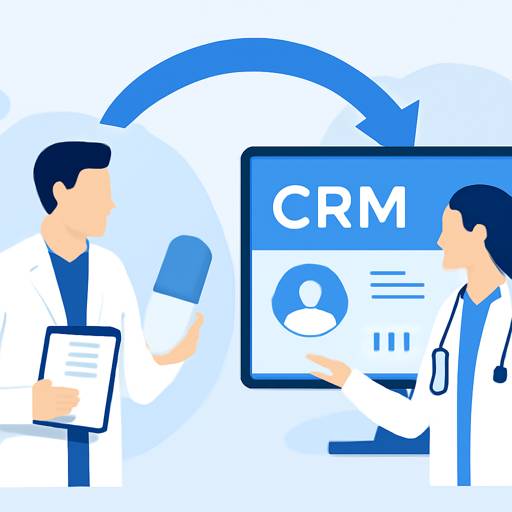
Data integration is non-negotiable. A modern platform pulls in claims and EHR signals where permissible, payer coverage shifts, patient hub milestones, and digital engagement metrics to create a living profile of HCP needs and barriers. With this foundation, decisioning engines can recommend “next best actions”: a payer-specific access pack for an HCP facing step edits, clinical evidence summaries for early adopters, or adherence resources for practices treating complex populations. These recommendations must be transparent and auditable to satisfy both compliance standards and end-user trust.
Field usability determines adoption. Reps and MSLs need offline-capable mobile experiences, instant territory insights, and frictionless note capture. Territory design, target lists, and call plans should update automatically as new signals arrive. Approved content libraries integrated into call workflows make it easy to share the right asset during or after a visit, with all the necessary disclaimers and capture of scientific exchange where appropriate. Meanwhile, sales operations require robust incentive-compensation feeds, sample reconciliation, and Sunshine/Open Payments support—evidence that operational excellence and commercial impact are two sides of the same coin.
Finally, CRM must be the hub that unifies marketing, market access, and medical. When omnichannel platforms write back engagement outcomes to CRM—and CRM guides marketing journeys—teams break down silos. This bidirectional flow powers consistent, relevant outreach across roles while preventing over-contact. Platforms like Pulse Health illustrate how unified data, compliant workflows, and AI-driven recommendations can make CRM not just a record of the past, but a catalyst for the next right step in the care journey.
Real-World Playbooks and Results
Consider a specialty therapy launch facing uneven payer coverage. The brand team deploys a coordinated plan: educational emails on mechanism of action for early adopters, payer-specific access guides for mid-volume HCPs, and rep-delivered checklists for office staff on benefits verification. The CRM-driven next best action surfaces which HCPs need infusion center onboarding and which require prior-authorization templates. Within eight weeks, engagement data reveals that access resources outperform pure clinical MOA content for certain regions where step therapy dominates. The team pivots budget and increases rep-triggered emails to those segments, realizing a 25% lift in NBRx among targeted accounts while reducing overall contact frequency to avoid fatigue.
In a mature market with entrenched competitors, a respiratory brand leans into evidence plus experience. Field medical flags rising interest in a new outcomes study; marketing converts that signal into modular content for peer-to-peer webinars and curated reading lists inside the CRM’s content hub. Reps invite HCPs who showed high engagement with safety materials, while digital channels retarget only those who opted in. The outcome: higher-quality attendance at scientific sessions, a 35% drop in wasted impressions, and, more importantly, increased clinician confidence as measured by post-event intent surveys and steady TRx growth in targeted deciles.
Patient support often becomes the differentiator. A rare-disease brand integrates hub milestones—starter kit delivery, copay enrollment, first fill—into the CRM. When a patient faces a coverage gap, the system recommends that the practice receive a one-page access guide tailored to its local payer mix. At the same time, a care coordinator triggers a compliant follow-up with onboarding videos. Marketing complements this with consented reminders for lab monitoring windows. Over a quarter, the brand sees faster time-to-therapy and a 12% uptick in three-month persistency, supported by documentation that communications remained fair-balanced and within approved indications.
Medical engagement has its own playbook. An oncology portfolio deploys MSLs to academic centers and KOLs, guided by signals in pharma CRM around trial referrals, publication histories, and scientific inquiries. Instead of mass invites, the team curates advisory boards aligned with each expert’s research focus. CRM-integrated content ensures that scientific exchange remains distinct from promotional messaging, protecting credibility. Feedback loops move insights back to clinical and HEOR teams, shaping future studies and real-world evidence priorities. Over time, this approach improves the brand’s standing with guideline-influencing stakeholders and helps inform payer discussions with stronger outcomes narratives.
Across these scenarios, the common thread is orchestration. Pharma marketing connects the right narrative to the right audience; CRM ensures that every interaction is contextualized, compliant, and measurable; and data science distills signal from noise. When these elements operate on a unified, life-sciences-specific platform, teams can scale personalization without sacrificing governance. The result is not just higher script volume, but deeper trust, faster access resolution, and better-supported patients—proof that commercial excellence and patient-centered care can advance together.